Fiber-optic sensor technology
Measurement principle, manufacturing know-how, calibration and use cases of our fiber-optic microphones and pressure sensors, and of the ThermoRef reflectometric pyrometer.
MEASUREMENT PRINCIPLE
The optical conditioner injects light into a single optical fiber. In the sensing head, a silicon or silicon nitride membrane deflects under pressure or an acoustic wave. This micro-displacement modulates the light sent back through the same fiber.
The conditioner converts this modulated light into an analog voltage, an image of the measured signal, which you record with your usual oscilloscope or data acquisition system.
Depending on the product range, measurement relies on this micro-displacement principle or on interferometry (Fabry-Pérot cavity, fiber Bragg gratings). The ThermoRef pyrometer measures temperature without contact, using bichromatic reflectometric pyrometry (1.3 and 1.5 µm).
- Single-mode
- Multimode
- Large core
- Rad-hard
- High temperature
- Metal-coated
Why fiber optics? Benefits and complete measurement chain
Guide: all about the fiber-optic microphone
Guide: high-temperature dynamic pressure sensors
Guide: reflectometric pyrometry
KNOW-HOW
Phonoptics has developed unparalleled expertise. Different fibers with various coatings and varied with as many elements as possible from the telecom sector (high-performance and inexpensive) or others are assembled in the company's premises.
The manufacturing of our membranes is subcontracted by an industrial specialist in micro-manufacturing in a clean room, which guarantees the repeatability and consistency of our sensors.
We are committed to providing the best sensors. Each part is carefully assembled with the best products to promote its operation and longevity.
At the heart of our microphones are used ceramic or borosilicate ferrules which provide good chemical and physical resistance. Our membranes are made of silicon. This material provides high stability and long-term chemical resistance.
We have extensive knowledge in terms of bonding which allows us to use the best according to the customer's needs and the type of sensor to be produced.
Thanks to the tests carried out, our sensors can reach very high temperatures without altering their operation in the most hostile environments. Finally, we know that environments are becoming more and more complex, which is why we can adapt to customer demand by offering new sensors by changing the size, thickness, etc. to meet the pressures.
CALIBRATION
All Phonoptics sensors are internally calibrated to certify their performance based on temperature, ambient pressure and humidity.
In particular we qualify the sensors in sensitivity and frequency
We have different calibration tools such as:
- B&K type 4231 acoustic calibratorSensitivity calibration at 1kHz at 94dB and 114dB
- Acoustic speaker in anechoic box: B&K type 4232Free-Field calibration of sensitivity and frequency response between 100Hz and 10kHz.
- GRAS RA0014 electrostatic actuator accompanied by its 14AA amplifier.Pressure-Field calibration of the frequency response between 100Hz and 200kHz
- IKA 125 control ovenTemperature test up to 300°C
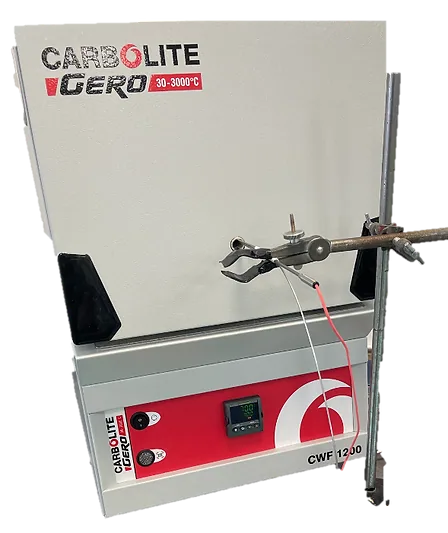
- Carbolite CWF1200 ovenTemperature test up to 1200°C
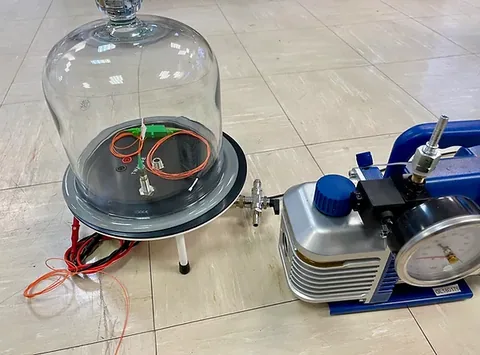
- Vacuum bell with sealed optical and electrical crossingUp to 100mBar
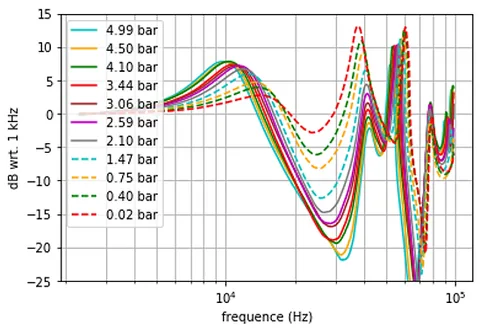
- Overpressure box with sealed crossingsUp to 5 bars
- Aaronia Spectran NF-5030 X Spectrum AnalyzerFrom 1Hz to 1MHz
- Dewesoft acquisition system: SiriusDAQ 8 channels 16bit 1MHz simultaneous
- Michelson fiber interferometer
As well as all the multimeters, low-frequency generator and essential electronic devices.
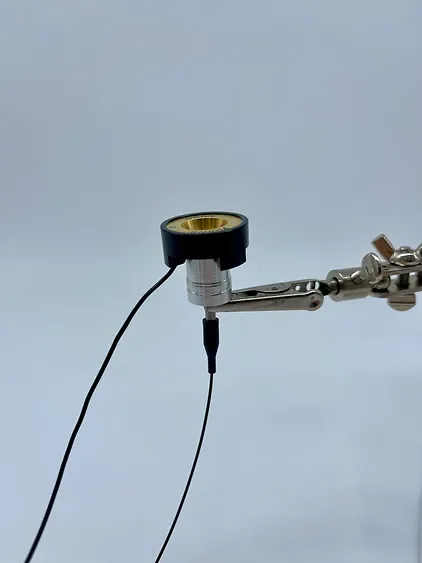
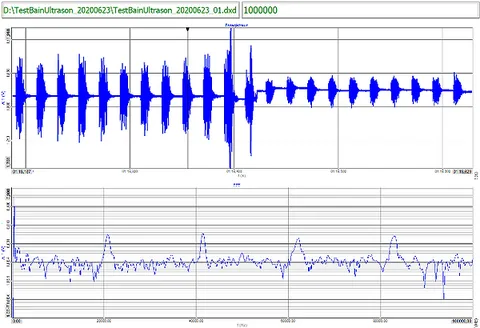
We are therefore able to know the exact response of our sensors and the influence of external parameters on their response, as illustrated in the image below
USE CASES
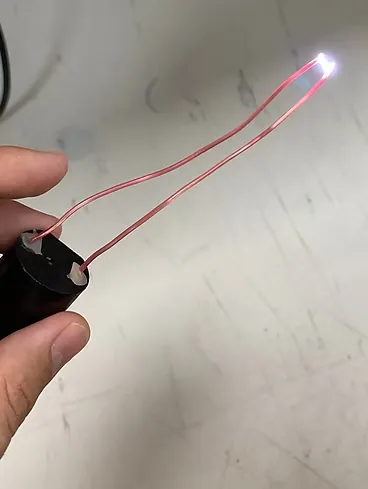
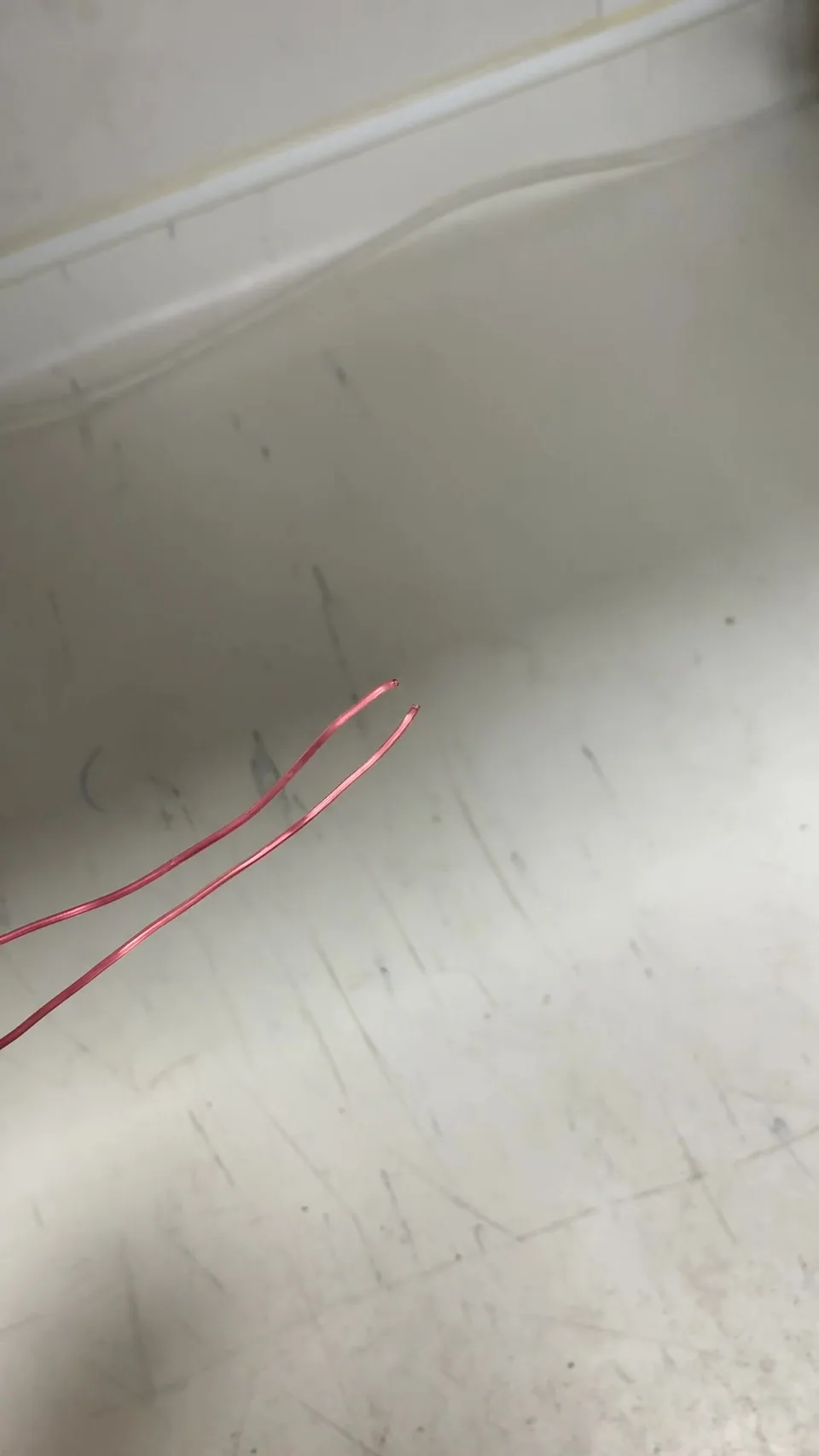
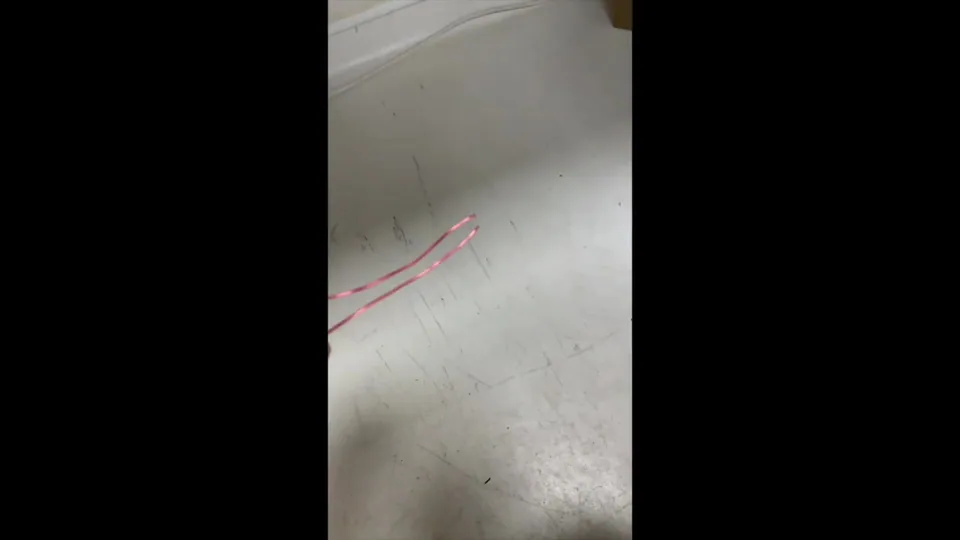
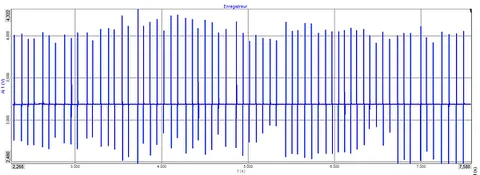
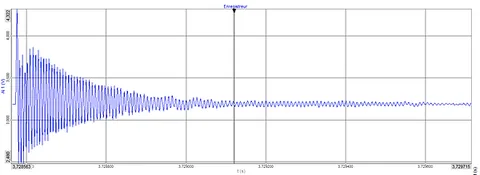
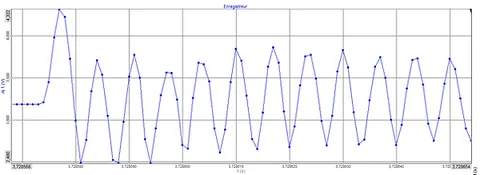
These acoustic measurements, possibly coupled with light measurements, make it possible to characterize the electric arc emission equipment, to measure its evolution over time, the influence of the distance between the 2 ends of the copper wires, in order to establish a usual sound pattern and to compare, for example, with other equipment or to detect in the case of predictive maintenance whether the equipment is going to break down.
USE CASE TEMPERATURE MEASUREMENT REFLECTOMETRIC PYROMETER
The ThermoRef can be used to measure temperature in the most particular conditions and on the most difficult materials.
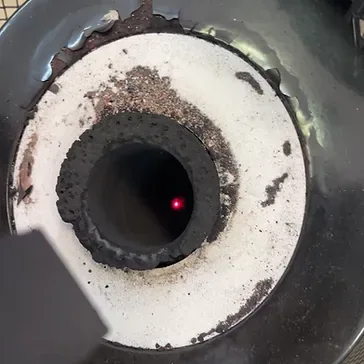
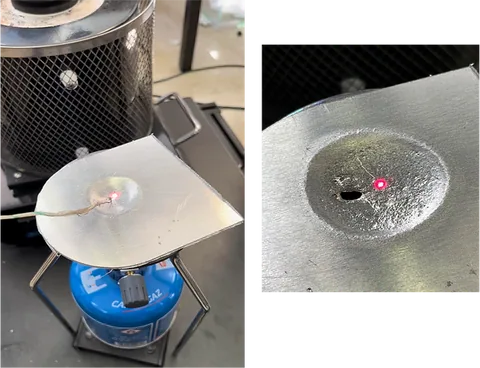
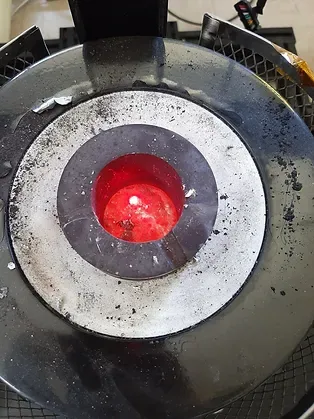
Each case is therefore particular, and Phonoptics has carried out different measurements to demonstrate the capabilities of the sensor.
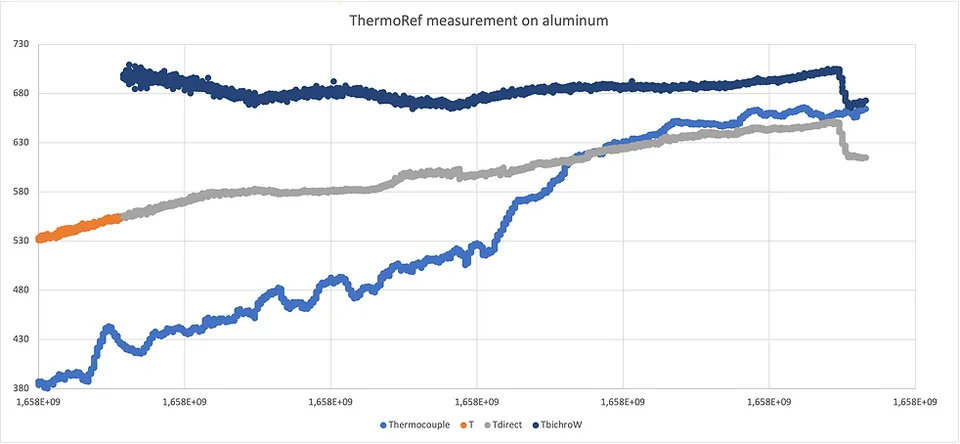
Here we see that the bichromatic temperature is not reliable. Concerning the measurements before the T and Thermocouple curves meet, the difference is explained by the fact that the thermocouple does not have good contact with the aluminum. This is seen with the great variability of its measurements. Once the temperature of 580°C is reached, the thermocouple penetrates inside the aluminum during fusion which ensures perfect contact and therefore a good temperature reading.